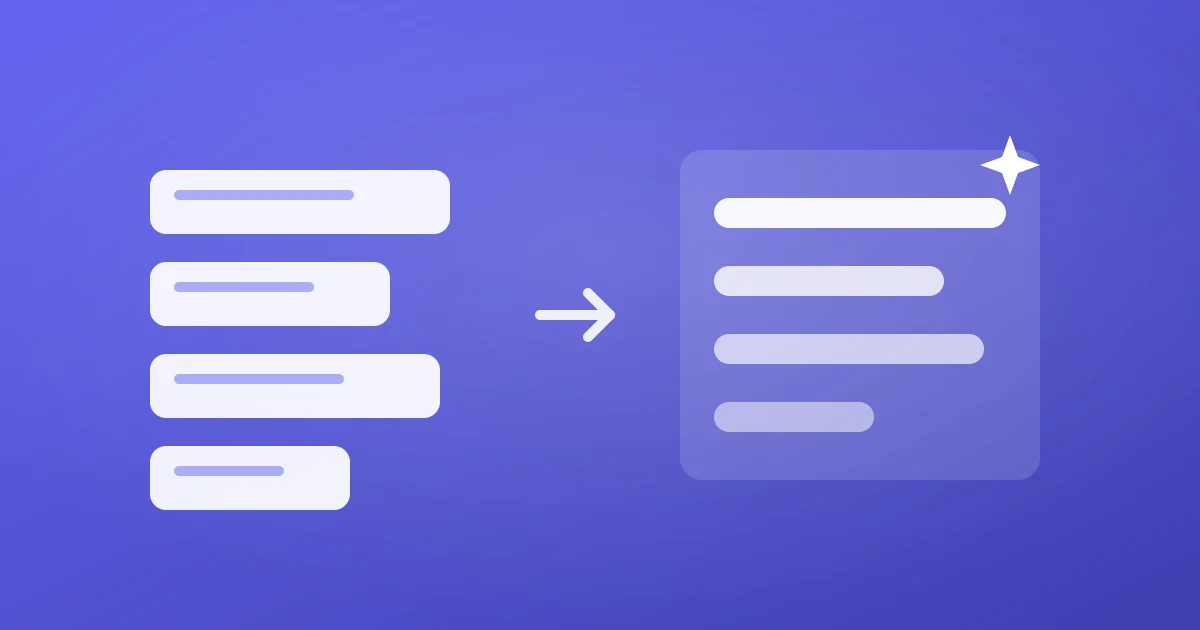
A viral TikTok can pull thousands of comments in a day. Buried in that scroll is the most honest market research you will ever get — what people love, what confuses them, what they want to buy — but no human reads ten thousand comments. That gap is exactly what a TikTok comment analysis tool closes: it reads every comment for you and hands back the meaning.
"Analysis" used to mean exporting comments to a spreadsheet and eyeballing them. In 2026 it means AI doing the reading — sentiment, themes, questions, and buyer intent generated in minutes. This guide explains what that gets you, what to look for, and how to run it on any video.
Manual reading doesn’t scale — and that’s the whole problem
The comment section is a free, unfiltered focus group. But the value is locked behind volume. Read 50 comments and you get a vibe; read 5,000 and you get the truth — except nobody has time to read 5,000. So most people sample the top few, mistake the loudest comments for the common ones, and miss the pattern entirely.
The first step up is to export all the comments to a spreadsheet so at least you have them in one place. The real jump is letting AI summarise the whole set so you read the conclusion, not the raw data.
What an AI comment analysis tool actually produces
A good analysis turns a wall of comments into four things you can act on:
- Sentiment breakdown. What share of comments are positive, negative, or neutral — and, more usefully, why. "70% positive" is a number; "people love the price but distrust the durability claims" is a decision.
- Themes and topics. The recurring subjects, clustered and ranked by how often they come up. This is where you see what your audience actually cares about versus what you assumed.
- Top questions. The questions asked most often are your next videos, pre-validated by demand. If 200 people ask "does it come in black," that’s not a comment — it’s a content brief.
- Buyer intent. Comments like "how much," "link?", "where to buy," and "is this still available" flagged and ranked, so you can follow up with the people trying to give you money.
Sentiment alone is the shallow version. The combination — sentiment plus themes plus questions plus intent — is what makes the analysis worth running. For the sentiment piece specifically, see TikTok comment sentiment analysis for brands.
How to analyze TikTok comments in three steps
- Pull the comments. Paste the video link and export. With ZocialComment you get every comment plus replies, likes, timestamps, and usernames — not just the visible top few. Start free here.
- Run the AI analysis. Instead of opening the spreadsheet and reading, let the model classify, cluster, and summarise the whole set in one pass. You get sentiment, themes, questions, and intent without writing a formula.
- Act on the summary. Make the videos people asked for, fix the objections that keep coming up, and DM the buyers. Then re-run it on your next post to see if the needle moved.
If you’d rather do it by hand first to understand the mechanics, the manual method is here — but once you’ve done it once, the automated version pays for itself in time saved.
Who gets the most out of comment analysis
- Creators turn their comment section into a content calendar — make more of what lands, answer the questions that keep coming up.
- TikTok Shop sellers mine comments for buying signals and objections, then fix the objections in the next video and chase the buyers in DMs.
- Brands and agencies measure how an audience really feels about a campaign — and, when vetting a creator, check whether the sentiment in their comments matches the engagement on their media kit. (Pair it with audience analysis to see who is commenting, not just what they say.)
- Product researchers read competitor comment sections for the "but how do I…" gaps the top players never answered.
Analyzing many videos at once
One video tells you about one video. The real insight comes from analysing many at once — a whole campaign, a month of your own posts, or a competitor’s recent uploads. Bulk export the lot into one dataset and run analysis across all of it to surface patterns no single post reveals: which message consistently lands, which objection never goes away, which creator’s audience actually engages versus just watches.
What to look for in a tool
- It exports everything first. Analysis is only as good as the data under it. If a tool only sees the top comments, it only analyses the top comments. You want all comments and replies.
- It does more than sentiment. Sentiment is table stakes. Themes, top questions, and intent are where the decisions come from.
- No signup to start. You should be able to export and see the data before paying for anything.
- Honest pricing. AI costs money to run, so expect a paid step — but it should be a small, predictable charge, not a subscription you forget to cancel. See pricing.
The bottom line
Your TikTok comments already contain the answers — what to make next, what to fix, and who to sell to. The only question is whether you read 50 of them or all of them. A comment analysis tool reads all of them and hands you the conclusion. Export any video’s comments free, run the AI analysis, and let the comment section tell you what to do next.