TikTok comments are one of the most unfiltered sources of consumer opinion available today. Unlike surveys or focus groups, comment sections capture raw, real-time reactions to products, campaigns, and brand moments. For brands willing to listen, this data is a strategic goldmine.
Why TikTok Comments Matter for Brand Strategy
With over 1.5 billion monthly active users, TikTok has become the cultural pulse of Gen Z and Millennials. But the real value isn't just in views or likes — it's in the comments. Comments reveal what people actually think, not just whether they engaged.
A product launch video might get 500K views, but the comments tell you whether people are excited, confused, or comparing you to a competitor. That qualitative signal is what separates data-informed brands from everyone else.
How Sentiment Analysis Works on TikTok Comments
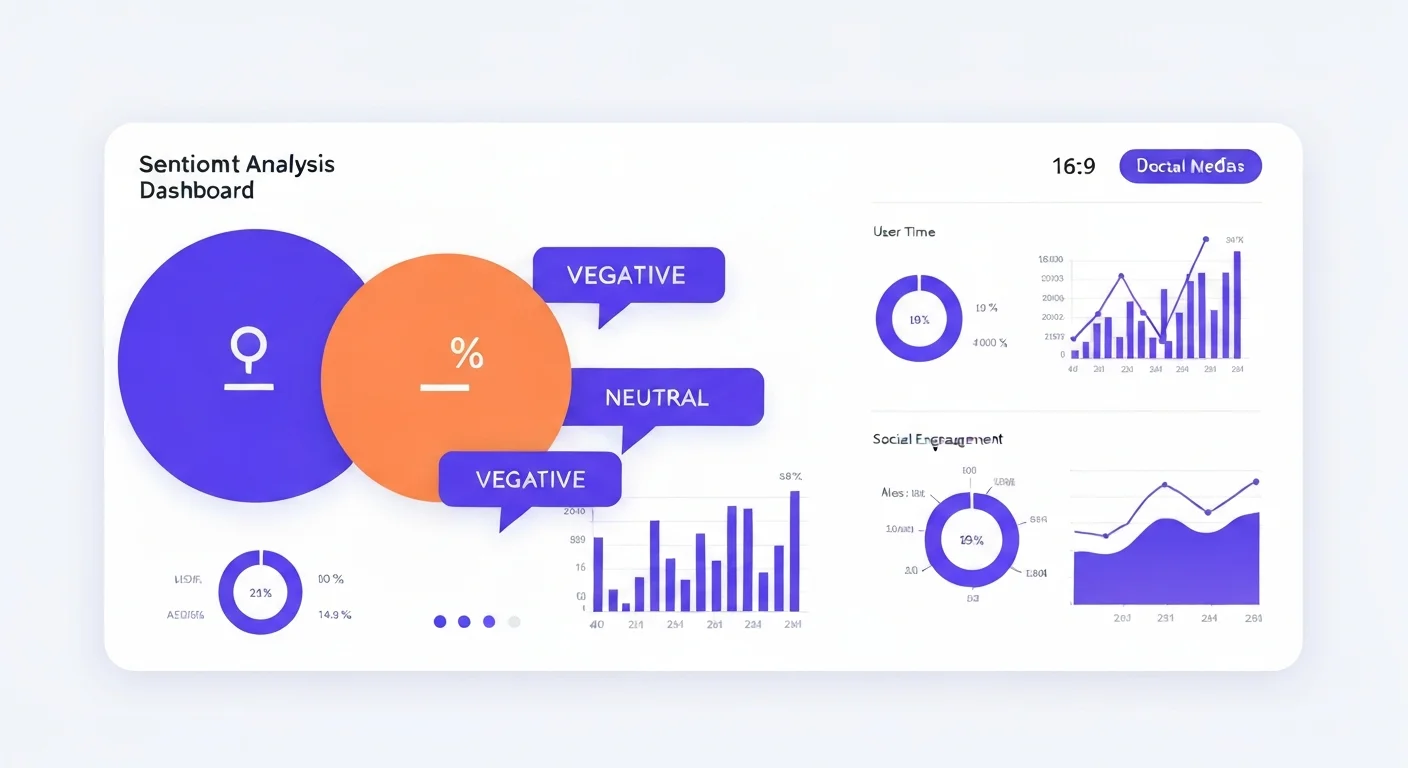
Sentiment analysis involves classifying text as positive, negative, or neutral. When applied to TikTok comments at scale, it reveals patterns that are invisible when reading individual comments:
- Overall brand perception — Are people generally positive or negative about your brand?
- Feature-level sentiment — Which specific product features generate the most praise or complaints?
- Campaign effectiveness — Did your latest campaign shift sentiment in the right direction?
- Crisis detection — Are negative comments spiking around a particular topic?
A Practical Workflow for Brands
Here's how marketing teams are using TikTok comment data to shape strategy:
Step 1: Export Comments at Scale
Using a tool like ZocialComment, export all comments from your brand's TikTok videos — or from competitor videos, influencer collaborations, and trending content in your niche. Export as CSV for easy analysis in spreadsheets, or JSON for custom data pipelines.
Step 2: Run Sentiment Classification
Feed the exported comments into a sentiment analysis tool. Options range from simple keyword-based scoring to LLM-powered analysis that understands context, sarcasm, and slang. For most brands, a combination of automated scoring and manual review of edge cases works best.
Step 3: Identify Patterns and Themes
Group comments by theme — product quality, pricing, customer service, competitor comparisons. Track how sentiment shifts over time and across different content types. Look for recurring phrases that indicate strong positive or negative associations.
Step 4: Translate Insights into Action
The final step is turning data into decisions. If comments consistently praise a specific feature, double down on it in your marketing. If a common complaint emerges, flag it for your product team. If competitor sentiment is dropping, consider how to capture those dissatisfied customers.
Real-World Example: A Beauty Brand's Pivot
Consider a skincare brand that launched a new moisturizer with an influencer campaign. Views were strong, but sentiment analysis of the comments revealed a pattern: users loved the texture but repeatedly complained about the pump packaging. Within weeks, the brand announced a packaging redesign, turning a potential PR issue into a story about listening to customers.
Without structured comment analysis, that signal would have been buried in thousands of comments across dozens of videos.
Scaling Sentiment Analysis Across Campaigns
The real power comes from consistency. When you export and analyze comments for every campaign, you build a longitudinal dataset that shows how brand perception evolves. You can benchmark new campaigns against historical sentiment, set targets for positive sentiment ratios, and catch negative trends early.
Agencies managing multiple brand accounts use this approach to provide clients with quarterly sentiment reports — a deliverable that demonstrates clear value and justifies ongoing retainers.
Getting Started
You don't need a data science team to start. Export your TikTok comments with ZocialComment, load them into a spreadsheet, and start categorizing. Even a manual review of your last five videos' comments will reveal insights you didn't have before. From there, you can scale up to automated analysis as your needs grow.
The brands that win on TikTok aren't just creating content — they're listening to what their audience says about it. Comment sentiment analysis is how you close that loop.